
Global Organic Textile Standard (GOTS)
Certify your organic textile production at world standards. Register your environmentally friendly and socially responsible production processes with GOTS certificate.

What is GOTS?
The Global Organic Textile Standard (GOTS) is one of the most important globally recognized standards for textiles made from organic fibers. This standard aims to guarantee the environmental and social responsibility of all stages of the textile supply chain.
GOTS covers all processes from the harvesting of the raw material to the labeling of the final product and aims to provide consumers with a reliable organic textile product.
Environmental Protection
It promotes environmentally friendly production processes through water saving, energy efficiency and waste management.
Social Responsibility
Protect workers’ rights, ensure safe working conditions and promote ethical values.
Quality Assurance
Enhances reliability by providing double quality assurance through on-site inspection and product testing.
Benefits of GOTS
Why should you certify your organic textile production at world standards?
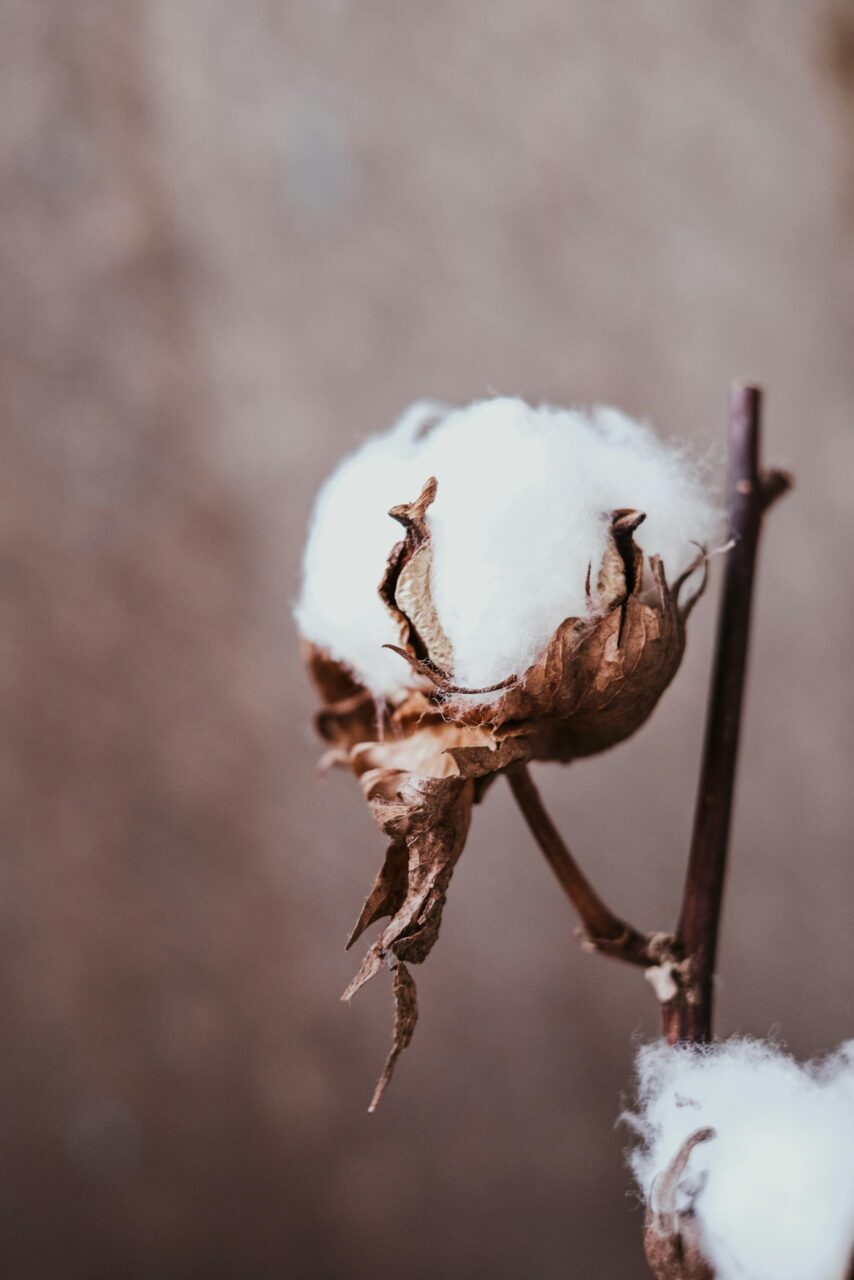
World Class Organic Textile Production with GOTS Certificate…
Get free consultancy from our expert team and certify your organic textile production at world standards.
(from spinning to the final product)
GLOBAL ORGANIC TEXTILE STANDARD
Scope of GOTS Certification
GOTS certification covers the entire supply chain of organic raw material from the first post-farm processing to the final product.
Organic Content Requirements
A GOTS certified product must be made from at least 70% certified organic natural fibers. The organic fibers used in the products must be grown without the use of synthetic pesticides, herbicides or genetically modified organisms (GMOs). Products with 95% or more organic content can carry the “organic” label.
Gots Certification Process
Companies that receive GOTS certification are subject to annual re-evaluation. In this process, possible changes in production facilities and methods, such as sub-companies, new suppliers are examined.
