
Similar Posts
New EU Ecodesign for Sustainable Products Regulation to Drive Major Changes
Published in June 2024, the new Ecodesign for Sustainable Products Regulation (ESPR) aims to significantly reshape the production and consumption patterns within the European Union. Set to come into force on January 1, 2025, this regulation will impact various sectors including electronics, textiles, and furniture by enforcing stringent sustainability criteria throughout product life cycles. Key…
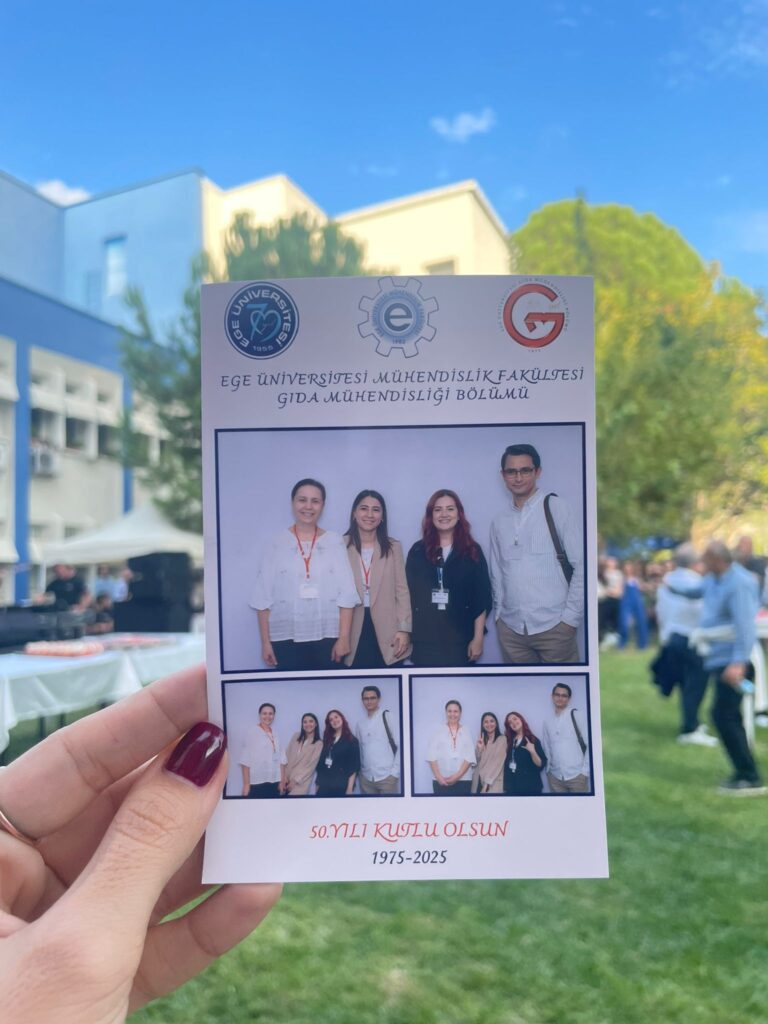
USB Certification Participated in Ege University Food Engineering’s 50th Anniversary Event
We were delighted to participate as a sponsor in the 50th anniversary event of Ege University’s Food Engineering Department. The USB Certification team attended the event on 17 October, represented by Derya Büyükyıldırım, Food and Agriculture Certification Manager; Aşkın Acay, Audit Manager; Büşra Kılıç Ak, Customer Relations and Planning Officer; and Ece Yürük Orçan, Key…
Extended Producer Responsibility (EPR) Becomes Mandatory
The European Union has agreed on new regulations to reduce textile and food waste, making “Extended Producer Responsibility (EPR)” mandatory. Under the new rules, within 30 months, producers selling textile products will be held accountable for collecting, sorting, and recycling post-consumer waste. Similar obligations will apply to food waste reduction and reuse. These measures support…
UN Alliance Advocates for Ethical and Eco-Friendly Fashion
The fashion industry significantly contributes to environmental degradation, consuming vast water resources and emitting substantial carbon emissions. In response, international organizations like the UNECE and UNEP are promoting transparency and sustainability through initiatives such as the Sustainability Pledge and the Forests4Fashion program. The UN Alliance for Sustainable Fashion emphasizes the importance of ethical labor practices…
New EU Tool Helps Importers Navigate Carbon Border Adjustment Mechanism (CBAM)
The European Commission has introduced a CBAM Self-Assessment Tool to assist importers in preparing for new reporting requirements as part of the EU’s Carbon Border Adjustment Mechanism (CBAM). This innovative tool allows businesses importing carbon-intensive goods into the EU to quickly determine whether their products are subject to the mechanism during its transitional phase, running…
GOTS Revision Process Underway: First Public Consultation Open Until 7 March
At USB Certification, we closely follow the developments of the Global Organic Textile Standard (GOTS) to ensure transparency, quality, and sustainability in the textile industry. The GOTS revision process, which takes place every three years, has officially begun for Version 8.0, with the first public consultation currently open until 7 March 2025. A Transparent and…