
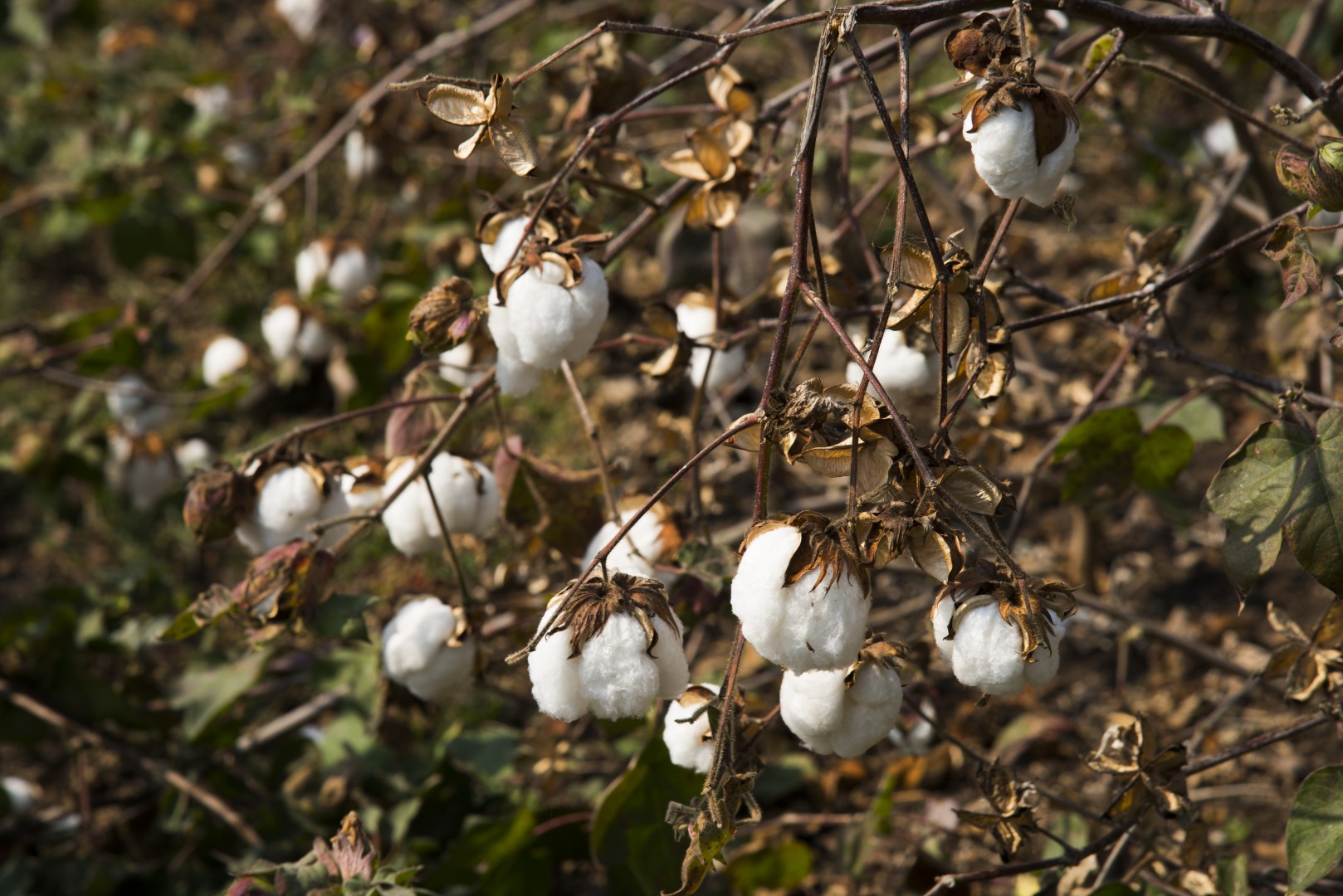
Better Cotton Initiative – Field Level
Sustainability in cotton production is a critical requirement from both an environmental and social perspective. Better Cotton Initiative is the largest initiative to promote environmentally responsible, socially responsible and economically sustainable practices in cotton production worldwide. As USB Certification, we ensure that producers comply with these standards through Better Cotton Initiative Field Level Audits.
Better Cotton Initiative – What is Field Level?
The Better Cotton Initiative Field Level is an area of application that verifies the compliance of farmers and producer groups with sustainability principles in cotton production. This level aims to improve the environmental, social and economic impacts of cotton production and is conducted in line with the Better Cotton Initiative Principles and Criteria (P&C). These audits are carried out in cotton production:
The Purpose of Better Cotton Initiative
So what does this mean for manufacturers? By disciplining both field practices and recording and reporting, the standard puts you on the sustainable supplier lists of global brands. In this way, producers become sustainably involved in the global cotton supply chain by obtaining a Better Cotton Initiative license.
Better Cotton Initiative Principles and Criteria Focus
What is Checked in a Field Level Inspection?
Better Cotton Initiative Principles and Field Level Focus Areas
Better Cotton Initiative – Field Level Certification Process
1
Application and Program Partnership
– Registration process is carried out with the relevant program partner/conformity assessment body within the framework of the Better Cotton Initiative system.
– The roles and responsibilities of the lead organization and internal control system (ICS) in producer groups are determined.
2
Field Check and Conformity Assessment
– Better Cotton Initiative monitors the implementation of field-level criteria through Field Checklists.
– Input use (pesticide fertilizer), water use, tillage, fiber pollution, worker conditions and records are cross-checked.
3
Completion of Minimum Requirements and Licensing
Once the minimum requirements have been met, the farm/producer group is licensed to grow Better Cotton Initiative, creating volumes that can be traded as “Better Cotton Initiative” under the program.
4
Continuous Improvement and Annual Evaluation
Each season, indicators in the progress requirements are re-measured, targeting improvement in areas such as pesticide water and carbon footprint.
Start the Better Cotton Initiative Journey at Field Level
Strengthen your reach to global buyers demanding sustainable cotton by complying with Better Cotton Initiative field-level requirements. Manage this journey from field to market with confidence with USB Certification.
Tangible Benefits for Cotton Producers
Better Cotton Initiative – field level creates the following advantages in the market
Frequently Asked Questions
Check Our Other Services
Better Cotton Initiative
USB Certification offers Better Cotton Initiative Chain of Custody verification services. Contact us for sustainable…

Agriculture Certification
USB Certification provides agricultural certification services under the authority of Turkey's Ministry of Agriculture and…
Better Cotton Initiative Chain of Custody (CoC)
Certify your sustainable cotton supply chain with Better Cotton Initiative CoC. Verify eco-responsible production with…

Global Organic Textile Standard (GOTS)
Certify your organic textile production to global standards with GOTS certification. Apply now for your…
You may be interested in these topics (Newsletter & News)
Better Cotton Initiative’s Transition to Certification
Better Cotton Initiative is working to drive long-term impact by promoting more equitable and sustainable…
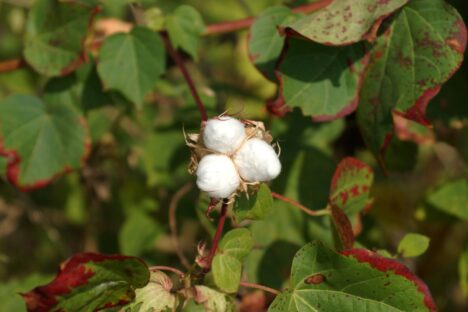
A New Step Towards Sustainability from Better Cotton Initiat…
Better Cotton's "Principles and Criteria v3.2" prioritize regenerative agriculture. Discover how to produce sustainable cotton…
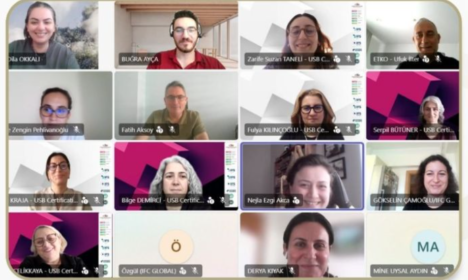
A Strong Step in Sustainable Production: BCI P&C v3.2 Tr…
USB Certification has completed the BCI P&C v3.2 training for sustainable cotton production. Learn more…
IOAS Launches Accreditation Services for the Better Cotton I…
IOAS offers accreditation services for the Better Cotton Initiative (BCI). Reliable certification processes for sustainable…
