
Organic Content Standard (OCS)
Certify the organic content of your textile products against an internationally recognized standard. Verify and document the flow of organically produced material through your supply chain with OCS certification.
What is the Organic Content Standard (OCS)?
The Organic Content Standard (OCS) is a voluntary standard for non-food products containing organically produced material. It verifies the presence and amount of organic material in a wide range of products, from apparel to home textiles, fashion accessories to personal care products, and ensures its traceability throughout the supply chain.
The OCS applies if the product contains between 5% and 100% organic material. This standard aims to promote organic farming and provide consumers with reliable products.
Verifying Organic Content
Supports sustainable production chain by providing organic content verification and traceability.
Certification and Labeling
The OCS logo or declaration on the product can only be used after the certification process is completed. It prevents misleading or false labeling and gives confidence to the consumer.
Market Access
It gives organic fiber producers access to global markets.
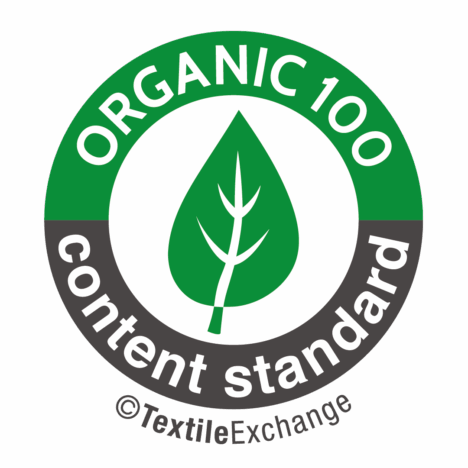
OCS 100
Indicates that the product contains at least 95% organic raw materials. If it contains the same type of non-certified material, the label rating is OCS Blended.
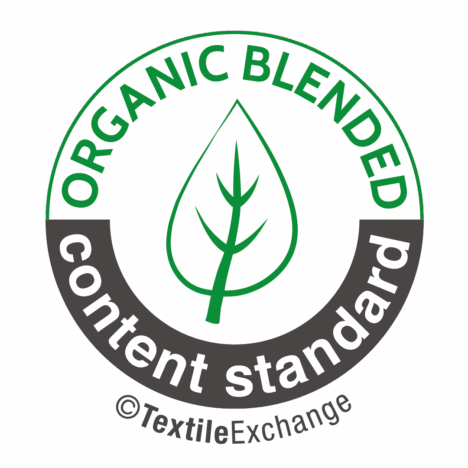
OCS Blended
Indicates that the product contains at least 5% and less than 95% organically produced raw materials.
Confidently Verify Your Organic Content with OCS Certification…
Get free support from our team of experts and certify the organic content in your products to international standards.
Ensure transparency, trust and sustainability in your supply chain.
(from spinning to the final product)
Organic Content Standard
OCS Certificate Scope
OCS certification covers the entire supply chain from the first post-farm processing of organic raw material to the final product.
OCS Certification Process
The OCS certification process involves specific steps:
Documents
Frequently Asked Questions
Check Our Other Services
Textile and Recycling Certification
USB Certification offers textile and recycling certification services. Contact our team of experts to learn…
Global Organic Textile Standard (GOTS)
Certify your organic textile production to global standards with GOTS certification. Apply now for your…
Better Cotton Initiative Chain of Custody (CoC)
Certify your sustainable cotton supply chain with Better Cotton Initiative CoC. Verify eco-responsible production with…
GOTS – Global Organic Textile Standard
USB Certification and GOTS certification services. We offer sustainable solutions for your organic textile products.…
You may be interested in these topics (Newsletter & News)
Textile Exchange seeks feedback on the Organic Content Stand…
USB Certification opens feedback for Organic Content Standard (OCS) V3.0. Contact us for organic content…
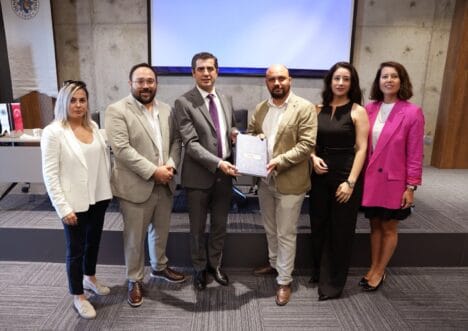
We held the Advanced Level Certification and Transaction Cer…
USB Certification and Denizli Chamber of Industry completed Organic Certification Standards training. Click for more…

OECD Assessment Confirms Strong Alignment of GOTS with Inter…
GOTS's OECD compliance verified by independent assessment. USB Certification: your trusted partner for sustainable textile…
IOAS Launches Accreditation Services for the Better Cotton I…
IOAS offers accreditation services for the Better Cotton Initiative (BCI). Reliable certification processes for sustainable…
