
Responsible Down Standard (RDS)
Protect animal welfare in your down supply chain with the Responsible Down Standard (RDS) and build trust in your brand with ethical production.
What is the Responsible Down Standard (RDS)?
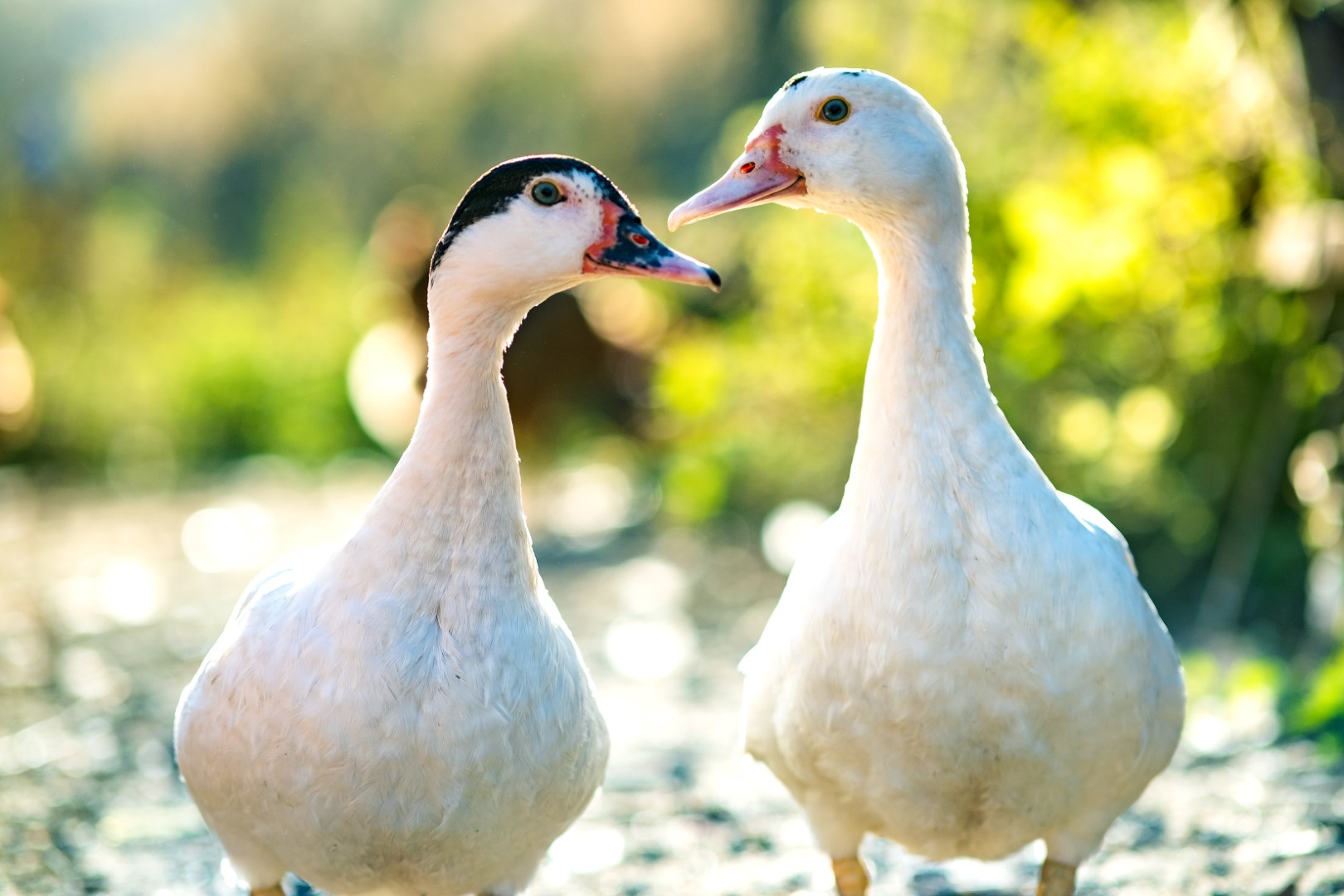
The RDS is an international voluntary standard that ensures that feathers from waterfowl such as geese and ducks are sourced in an ethical and animal welfare-compliant manner. This certification guarantees that birds are not subjected to unnecessary harm, are raised in humane conditions and practices such as force-feeding or live plucking are strictly prohibited. It also creates a transparent supply chain, enabling consumers to buy reliable and ethical products.
Objectives of the RDS
Main objectives of the CERTIFICATEProtecting Animal Welfare
Preventing birds from unnecessary harm and maximizing their welfare.
Promoting Humane Practices
Support and reward animal welfare-respecting procurement processes in the down industry.
Ensuring Transparency in the Supply Chain
To guarantee the traceability of certified materials.
Correct Information
Ensure that companies provide accurate information and make credible claims about their products.
Advantages of RDS Certificate
RDS certification offers many benefits to both businesses and consumers.RDS offers significant benefits to businesses and consumers. It protects the welfare of birds and guarantees that ethical production standards are adhered to, thereby gaining the trust of consumers who prefer ethically sourced products. For brands, it creates a strong differentiation element that emphasizes the importance given to ethical values.
In the international market, it makes it possible to meet the growing demand for certified products, expanding export opportunities.
Trust in Ethical Production and Transparency in Supply Chain with RDS Certificate!
Ensure that you are sourcing from animal welfare compliant sources in your down supply chain with RDS. Document the origin and traceability of down in your supply chain with the Responsible Down Standard (RDS).
Start your certification process immediately with our expert team.
RDS Certificate Scope
Farms
Areas where geese and ducks are raised.
Slaughterhouses
Facilities where birds are slaughtered.
Processing Plants
Places where bird feathers are cleaned and processed.
Manufacturers
Factories producing clothing, home textiles and other products containing RDS-certified down.
Retailers
Stores selling RDS certified products.
“RDS covers all stages of the down supply chain.”
*Note: The RDS standard covers all stages from farm to end product. USB Certification provides Chain of Custody certification at the processing, production and trade (Supply Chain) stages of this chain.
Responsible Down Standard (RDS) Certification Process
The following steps are followed to obtain Responsible Down Standard (RDS) certification…
Documents
Frequently Asked Questions
Check Our Other Services
Responsible Mohair Standard (RMS)
Get RMS certification for animal welfare and land management in mohair production. Show sustainability with…

Responsible Wool Standard (RWS)
Ensure responsible wool sourcing with the Responsible Wool Standard (RWS). Contribute to animal welfare and…
Responsible Alpaca Standard (RAS)
Ensure ethical alpaca production, animal welfare, and a transparent supply chain with RAS certification. Contribute…

Textile and Recycling Certification
USB Certification offers textile and recycling certification services. Contact our team of experts to learn…
You may be interested in these topics (Newsletter & News)
Scope and Transaction Certificates Policy Revision Process C…
Textile Exchange's Scope and Transport Certification Policy has been revised. Review the updated standards now.
A New Era in SFA Certification: Clean Fiber Processing Stand…
A new era in SFA certification! As of November 1, 2024, the Clean Fiber Processing…
USDA Takes New Step to Simplify Labelling Approval Processes
Discover the USDA’s new guidance that streamlines labeling approval processes. Contact USB Certification for regulatory…
