
Textile Exchange Materials Matter Standard
Comprehensive standard for sustainability in raw material production and primary processing under one roof. It monitors climate, nature, human rights and animal welfare criteria in the supply chain from the farm to the first processing plant.
What is the Materials Matter Standard (TE-MM-STN-101 V1.0)?
The Materials Matter Standard (TE-MM-STN-101 V1.0), officially published by Textile Exchange on December 12, 2025, is a comprehensive sustainability framework for the raw material production and primary processing processes of the fashion, textile and apparel industry. The standard aims to make the global textile standard system more harmonized and transparent by unifying existing individual certification systems under one roof. Its scope extends from farms to the extraction of raw materials, to collection and primary processing facilities. The standard will enter into force on December 31, 2026; December 31, 2027 is planned as the mandatory implementation date.
Climate and Environmental Impacts
Measurable criteria for reducing greenhouse gas emissions, energy consumption and carbon footprint.
Biodiversity
Species conservation, ecosystem integration and sustainable use of natural habitats.
Water Management
Water consumption, quality control and sustainable use requirements at the basin scale.
Soil Health
Conservation of soil fertility, erosion prevention and sustainable agricultural practices.
Human Rights and Working Conditions
Standards requiring fair wages, safe working environment and respect for workers’ rights.
Animal Welfare
Compliance with international welfare standards in the production processes of animal fibers.
Chemical Management
Reducing hazardous chemicals and implementing safe handling protocols.
Transparency and Traceability
End-to-end supply chain traceability and verifiable data presentation.
Harmonized Standard Framework
Integration with existing raw material certification systems and common measurement criteria.
Transition Calendar and Important Dates
1
Official Publication – December 12, 2025
Version TE-MM-STN-101 V1.0 has been made public by Textile Exchange; developed with the International Working Group (IWG).
2
Effective – December 31, 2026
The standard is implemented on the effective date; voluntary transitions and readiness audits begin.
3
Mandatory Transition – December 31, 2027
Existing raw material certification systems are replaced by the Materials Matter Standard; all audits are conducted from a unified framework.
Prepare for the Materials Matter Standard Transition
USB Certification provides guidance for raw material producers and supply chain stakeholders in their compliance with the requirements of the new standard. Contact us to take advantage of early preparation.
Frequently Asked Questions
Check Our Other Services
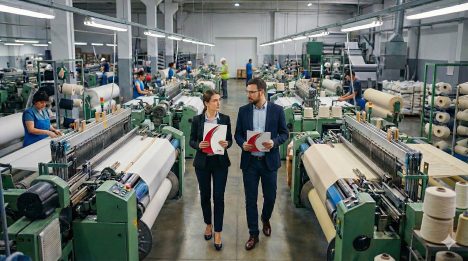
Textile and Recycling Certification
USB Certification offers textile and recycling certification services. Contact our team of experts to learn…
Textile Exchange
Obtain USB Certification and Textile Exchange certification. Validate your claims regarding organic, recycled, and responsibly…

Responsible Mohair Standard (RMS)
Get RMS certification for animal welfare and land management in mohair production. Show sustainability with…

Better Cotton Initiative Chain of Custody (CoC)
Certify your sustainable cotton supply chain with Better Cotton Initiative CoC. Verify eco-responsible production with…
You may be interested in these topics (Newsletter & News)

Textile Exchange Officially Publishes the Materials Matter S…
Textile Exchange has published the Materials Matter Standard. We offer comprehensive solutions for sustainable textile…

Textile Exchange Publishes the Materials Matter Standard Tra…
Textile Exchange Materials Matter Standard transition policy and details. Comply with the process and maintain…
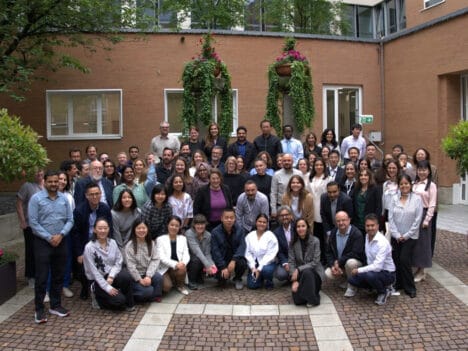
USB Certification, Textile Exchange Assurance Summit’t…
USB Certification, Textile Exchange Assurance Summit'te Materials Matter geçişini değerlendirdi. Yeni doğrulama sistemi için hazırlanın.
USB Certification Addressed the Materials Matter Transition…
USB Certification reviewed the transition to "Materials Matter" at the Textile Exchange Assurance Summit. Get…
