Responsible Wool Standard (RWS)
Be an environmentally and animal welfare conscious brand with responsible wool sourcing. Ensure transparency and traceability in your supply chain with RWS certification.

What is the Responsible Wool Standard (RWS)?
The Responsible Wool Standard (RWS) is an international voluntary certification standard that aims to ensure the welfare of sheep and the sustainability of the land they graze on. Developed by Textile Exchange, it provides verification of ethical practices in animal welfare and land use in wool production.
By auditing farm-level practices, RWS allows brands to make credible claims about their wool supply chain and offers full traceability across the supply chain.
Objectives of the RWS
RWS certification offers many advantages for businesses that prioritize sustainability and animal welfare in wool productionEnsuring Animal Welfare
To guarantee that sheep are raised in ethical and humane conditions.
Promoting Sustainable Land Management
Support practices that protect soil health, biodiversity and native species.
Promoting Social Welfare
Validate basic social welfare criteria on farms.
Ensuring Supply Chain Traceability
Enabling transparent tracking of wool from the farm to the final product.
Market Opportunities
It provides a competitive advantage by appealing to consumers seeking sustainability.
Ease of Export
It meets the demand for products with sustainable certifications in the international market.
Transparency
Provides full traceability in the wool supply chain.
Who Should Obtain the RWS Certificate?
RWS certification is suitable for businesses that care about sustainability and animal welfare in wool production. Farms that produce ethical and sustainable wool, textile mills that comply with traceability standards by producing wool yarn and fabric, fashion brands that use responsible and sustainable wool in their products, retailers that sell RWS certified products and supply chain managers who want to ensure transparency and traceability in the wool supply chain can benefit from this certification. Being RWS certified not only promotes ethical and sustainable production, but also puts your brand in a strong position in the market.
Get One Step Ahead in Sustainable Wool Production
Start your Responsible Wool Standard (RWS) certification process with USB Certification and strengthen your brand with responsible wool sourcing.
Scope of the RWS Standard
The RWS standard covers all stages of the wool supply chain and includes the following elements
Farms
Areas where sheep are raised.
Wool Processing Plants
Facilities where wool is processed and cleaned
Manufacturers
Manufacturers of textiles and clothing containing RWS certified wool.
Retailers
Stores selling RWS certified products.
*Note: The RWS standard covers all stages from farm to end product. USB Certification provides Chain of Custody certification at the processing, production and trade (Supply Chain) stages of this chain.
RWS Certification Process
The following steps are followed to obtain an RWS certificate
Documents
Frequently Asked Questions
Check Our Other Services
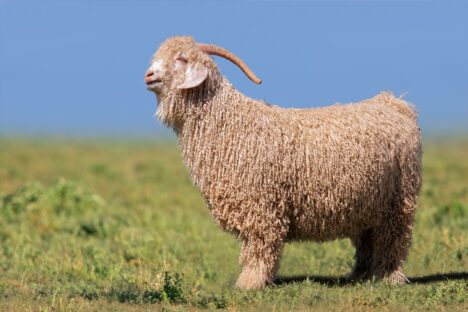
Responsible Mohair Standard (RMS)
Get RMS certification for animal welfare and land management in mohair production. Show sustainability with…
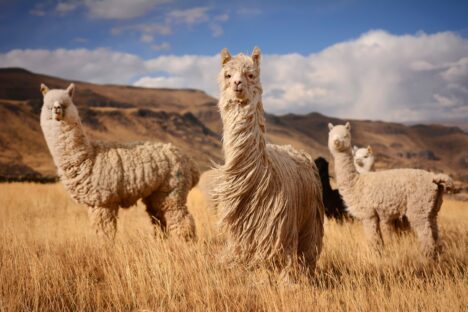
Responsible Alpaca Standard (RAS)
Ensure ethical alpaca production, animal welfare, and a transparent supply chain with RAS certification. Contribute…
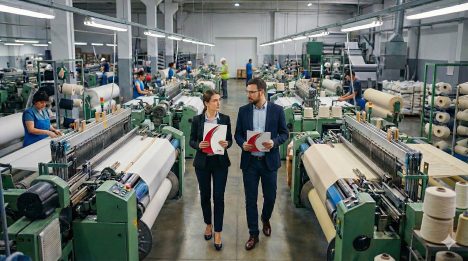
Textile and Recycling Certification
USB Certification offers textile and recycling certification services. Contact our team of experts to learn…
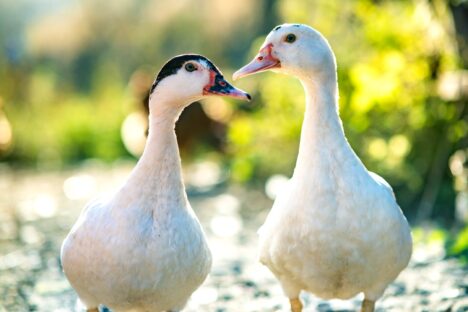
Responsible Down Standard (RDS)
Ensure animal welfare in your down supply chain with the Responsible Down Standard (RDS). Build…
You may be interested in these topics (Newsletter & News)
M&S has documented its compliance with Textile Exchange…
M&S has documented its compliance with Textile Exchange’s sustainable textile standards through USB Certification. Following…
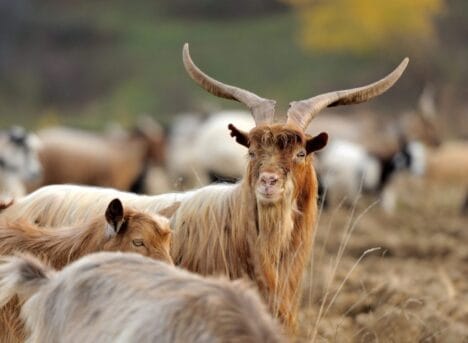
A New Era in SFA Certification: Clean Fiber Processing Stand…
A new era in SFA certification! As of November 1, 2024, the Clean Fiber Processing…
Sustainable Fiber Alliance – The Clean Fibre Processi…
From November 1, 2024, any industrial facilities that scour and/or dehair ‘SFA-Certified’ cashmere and aim…

Ensuring Credible Claims and Sustainable Certification in th…
USB Certification is here to support you with reliable claims and sustainable certification in the…
