

BRCGS Food Safety Standards
A breach of trust in the food chain can undermine years of brand equity in a single day. The BRCGS (Brand Reputation Compliance Global Standards) Food Safety Standard is a globally recognized system for verifying quality, safety and legality in production processes.
What is the BRCGS Food Safety Standard?
BRCGS is a Food Safety Management Standard developed by UK-based retailers in 1998 and now applied in more than 120 countries. Recognized by the Global Food Safety Initiative (GFSI), it systematically verifies manufacturers’ quality management systems, food safety plans, facility infrastructure and personnel practices.
So what does this standard do for your business?
First of all, BRCGS Food certification is offered by large chain stores and brands as a prerequisite for supplier acceptance.
BRCGS certification is a requirement demanded by global retailers and brands. Having this certificate ensures that your business is positioned as a reliable supplier in the international market. BRCGS ensures full compliance with legal requirements regarding food safety. It also protects your brand reputation and reduces customer complaints.
Structure of the BRCGS Food Safety Standard
The standard consists of nine main partsSenior Management Commitment
Developing a food safety culture, management responsibilities and resource allocation
Food Safety Plan (HACCP)
HACCP system in accordance with Codex Alimentarius, risk analysis, verification and validation
Food Safety and Quality Management System
Documentation, quality management system requirements
Site Standards
Facility layout, maintenance, cleaning, pest control, waste management, etc.
Product Inspection
Specifications, labeling, qlergen management, product testing
Process Control
Monitoring of production processes
Process Personnel
Hygiene, training and health checks
High Risk, High Hygiene Areas
Additional requirements for high-risk products
Commercial Products (Optional)
Control for purchased and resold products
Benefits of BRCGS Certification
International Recognition
BRCGS has worldwide validity as it is recognized by GFSI. This greatly facilitates access to European, American and Asian markets. It is a de facto requirement, especially for manufacturers who want to supply UK-based retailers.
Strengthening Quality Culture
With the 9th version of the standard, the concept of “Food Safety Culture” was clearly defined. In other words, not only the procedure, but also the behavior and communication culture became the subject of audit. This perspective turns every employee into an active part of the system.
Mitigating Risks
You control risks such as faulty production, allergen mixing or microbiological contamination in the supply chain in advance. This reduces the likelihood of product recalls and reduces financial losses. In short, the standard establishes an operational safety shield.
Protection of Brand Reputation
BRCGS certification, together with the success rates in audits, measurably increases the reliability of your brand. It conveys the message “we do not just produce, we assure” to the customer.
How Does the Certification Process Work?
1
Application and Proposal
The scope and duration of the audit is determined according to the size of the company, the number of employees and the number of processes.
2
Contract Signing
The parties’ obligations, scope, audit date and fees are clarified.
3
Audit Planning
The experts who will conduct the audit and the visit schedule are determined. Your existing certification system is analyzed; if necessary, possible deficiencies are identified by pre-audit.
4
On-site Inspection
With the site visit, the entire chain is monitored from raw material entry to shipment, from personnel hygiene to equipment validation. Completeness of records and adequacy of implementation are checked at this stage.
5
Audit Report and Notification
Non-conformities are reported after the audit is completed. After the nonconformities are closed, the final report is prepared and uploaded to the BRCGS Directory. In case of compliance, it is approved and the certificate is issued.
Start Your BRCGS Certification Journey with USB Certification
Take your food safety management system to the next level!
As USB Certification, we offer fast and reliable solutions to your business in the BRCGS Food certification process in accordance with international standards.
Common Errors
Inadequate Management of Cross-Contamination Risk
Failure to Insufficient differentiation between allergens, raw and cooked products in the production area.
Measure: Physically separate production areas. Strictly enforce cleaning and disinfection procedures.
Raw Material and Supplier Control Deficiencies
Error: Incomplete supplier approval processes or outdated raw material specifications.
Action: Establish supplier evaluation and approval procedures. Update raw material specifications regularly. Record incoming quality controls.
Documentation and Traceability Deficiencies
Errors: Incomplete production records, broken traceability chain.
Prevention: Record all processes from raw materials to the final product. Conduct traceability tests regularly.
Staff Training and Lack of Awareness
Failure Lack of staff knowledge of food safety culture and hygiene rules.
Precaution: Implement regular training programs. Support hygiene rules with visual materials. Conduct internal communication activities that promote food safety culture.
Frequently Asked Questions
Check Our Other Services

Food and Consumer Product Certification
Ensure a safe supply chain from farm to shelf through food and consumer product certification.…

BRCGS Consumer Products Standard
Ensure the safety of your products in the global market with the BRCGS Consumer Products…

BRCGS Start!
Achieve international standards in food safety with BRCGS Start! Grow your business and join the…

BRCGS
USB Certification protects your brand reputation in accordance with BRCGS Global Standards. Contact us today…
You may be interested in these topics (Newsletter & News)

New Position Statement (P708) for BRCGS Packaging Materials…
P708 Position Statement for BRCGS Packaging Materials V7 published. Ensure compliance with latest GFSI 2024…
BRCGS Ambalaj Malzemeleri Versiyon 7 İçin Yeni Pozisyon Bild…
BRCGS Ambalaj Malzemeleri V7 için P708 Pozisyon Bildirimi yayımlandı. Güncel GFSI 2024 beklentilerine uyum sağlayın.…
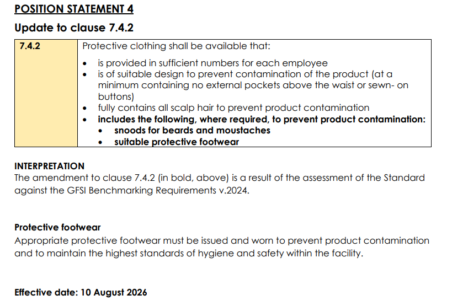
Critical Update to the BRCGS Food V.9 Standard!
Enhance hygiene and product safety with the key updates to the BRCGS Food V.9 standard.…
USB Certification Expands Service Scope with BRCGS Consumer…
USB Certification now offers BRCGS Consumer Products accreditation. Contact us for quality inspection and certification…
