
Responsible Alpaca Standard (RAS)
Be an environmentally and animal welfare conscious brand with responsible alpaca production. Ensure ethical production, transparency and sustainability in your supply chain with RAS certification.
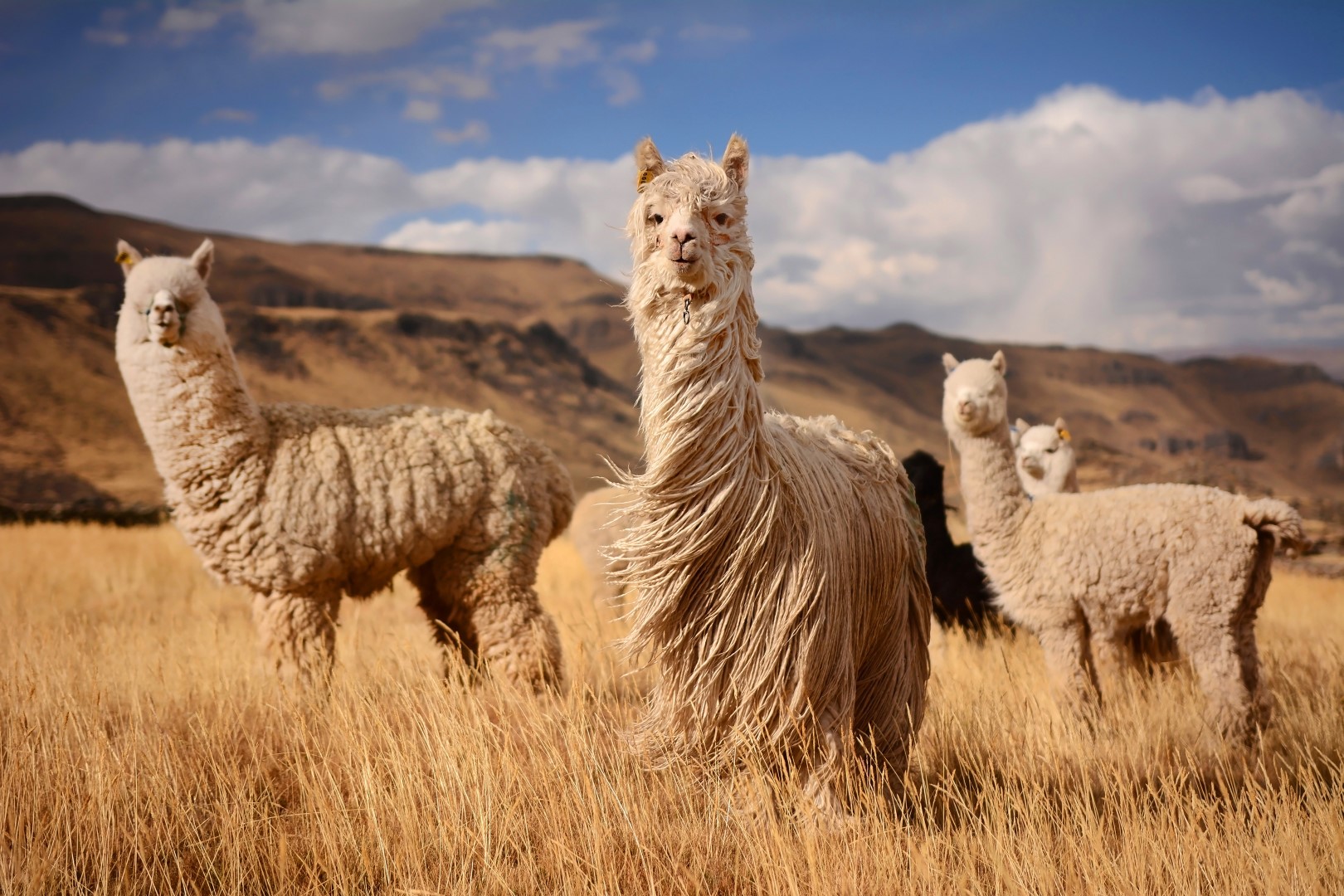
What is the Responsible Alpaca Standard (RAS)?
The Responsible Alpaca Standard (RAS) is an international voluntary certification standard that promotes traceability and transparency practices in alpaca farming. Managed by Textile Exchange, this program puts animal welfare at its heart. The RAS defines best practices for the production, processing and trade of alpaca fibers and audits the compliance of these processes.
Objectives of the RAS
DISCOVER the main objectives of RASGlobal Guidelines for Traceability
To identify and disseminate best practices in alpaca breeding,
Strengthening the Culture of Transparency
Promote improvement in animal welfare, land management and social responsibility
Creating a Transparent and Reliable Supply Chain
Ensuring traceability of certified alpaca fibers and reassuring consumers
Ensuring Full Traceability from Supply to Product
Ensure transparency and traceability throughout the supply chain
Importance of RAS Certificate
RAS certification contributes to a more ethical and sustainable future in the textile industry. The standard covers the following topics
Animal Welfare
It guarantees that alpacas are raised in suitable conditions where they can exhibit healthy, natural behavior, proper nutrition and ethical wool shearing practices.
Environmental Sustainability
(Farm Level)
Supports the prevention of overgrazing, biodiversity conservation and sustainable land management practices.
Social Responsibility
(Farm Level)
It protects employee rights, guarantees ethical working conditions and promotes positive interactions with local communities.
Make a Difference with Ethical Alpaca Production
Ensure sustainable production, animal welfare and a transparent supply chain with Responsible Alpaca Standard (RAS) certification
Who Can Obtain the RAS Certificate?
RAS certification is suitable for businesses that adhere to the principles of animal welfare, sustainable production and transparent supply chains. It is available to alpaca farms practicing sustainable land management in line with animal welfare criteria, wool processing and production facilities that comply with traceability and transparency standards by processing alpaca wool, fashion and textile brands that offer ethical and sustainable products using RAS-certified alpaca wool, and supply chain and retail businesses that want to document the origin of products and ensure transparency in the supply chain. Achieving RAS certification gives businesses the assurance of ethical production and strengthens their brand’s reputation for sustainability.
Advantages of RAS Certificate
RAS certification offers businesses several advantages
Market Differentiation
Distinctly differentiates you from your competitors and ensures that you are preferred by ethical consumers.
Consumer Confidence
It guarantees your ethical and environmentally friendly production processes, increasing consumer trust and strengthening brand loyalty.
International Competitiveness
It enables you to gain a competitive advantage by responding to the demand for products with ethical production standards in the global market.
Sustainability Image
It helps you gain a permanent place in the market by strengthening your brand’s perception of sustainability.
RAS Certification Process
The RAS certification process includes the following steps
Why Get RAS Certified?
For a brand that values ethical values and sustainability, the Responsible Alpaca Standard (RAS) certification makes a big difference. In addition to showing your customers that you have an animal welfare and environmentally responsible production process, it helps you increase your market share and stand out from your competitors.
Documents
Frequently Asked Questions
Check Our Other Services
Responsible Mohair Standard (RMS)
Get RMS certification for animal welfare and land management in mohair production. Show sustainability with…

Responsible Wool Standard (RWS)
Ensure responsible wool sourcing with the Responsible Wool Standard (RWS). Contribute to animal welfare and…
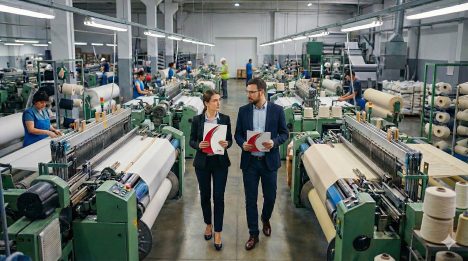
Textile and Recycling Certification
USB Certification offers textile and recycling certification services. Contact our team of experts to learn…
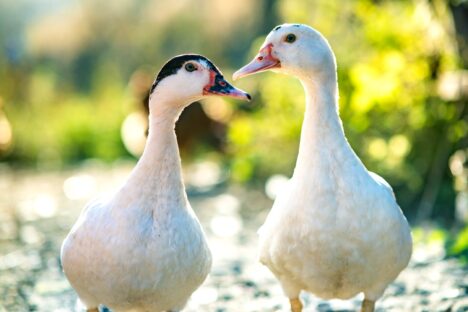
Responsible Down Standard (RDS)
Ensure animal welfare in your down supply chain with the Responsible Down Standard (RDS). Build…
You may be interested in these topics (Newsletter & News)
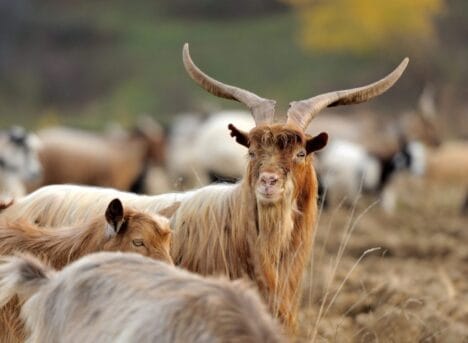
A New Era in SFA Certification: Clean Fiber Processing Stand…
A new era in SFA certification! As of November 1, 2024, the Clean Fiber Processing…

Ensuring Credible Claims and Sustainable Certification in th…
USB Certification is here to support you with reliable claims and sustainable certification in the…
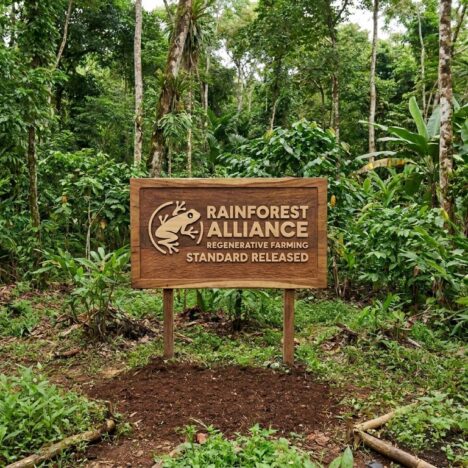
Rainforest Alliance Regenerative Agriculture Standard Publis…
Boost your ecological and social impact with the Rainforest Alliance Regenerative Agriculture Standard. Invest in…
Rainforest Alliance Sustainability Standard Updated
Rainforest Alliance S1.4 Standard is here. Contact USB Certification for info on sustainable agriculture and…
