
Global Recycled Standard (GRS)
Document the use of recycled materials at world standards. Register your environmentally friendly, socially responsible and chemically safe production processes with GRS certification.

What is the Global Recycled Standard (GRS)?
The Global Recycled Standard (GRS) is an international, voluntary finished product standard that sets requirements for third-party certification of recycled materials, chain of custody, social and environmental practices and chemical restrictions.
The main objective of GRS is to increase the use of recycled materials in products and minimize the harm caused by the production process. This standard is intended for use in products containing a minimum of 20% recycled materials.
Environmental Protection
It promotes environmentally friendly production processes through water saving, energy efficiency and waste management.
Social Responsibility
Protect workers’ rights, ensure safe working conditions and promote ethical values.
Quality Assurance
Enhances reliability by providing double quality assurance through on-site inspection and product testing.
Purpose and Importance of GRS
Why certify your recycled product production to world standards?

Confidently Verify Your Recycled Content with GRS Certification…
Get a free consultation from our team of experts and document your recycled content ratio, supply chain traceability and environmental-social compliance with GRS.
Reclaimed Material
Material that is not used for recovery as waste or energy, but is instead collected for input into recycling processes.
Post-Consumer Material
Materials that have been used by consumers and turned into waste after reaching the end of their consumption life (Used Plastic Bottles, etc.)

Pre-Consumer Material
Material diverted from the waste stream during the production process. Excludes reuse of materials that can be recovered in the same process that generated it, such as reprocessing, regrinding or scrap generated in a process.
Recycling
Recycling of the collected material into recycled material by one of the recycling methods (mechanical, chemical, biological).
Scope of the GRS Certificate
which products can carry a recycling label?The GRS Certificate is an important international certificate for companies that recycle, use or trade recycled materials in their production, especially textile and plastics, paper and metal companies.
How to Conduct a GRS Audit?
GRS auditing covers the recycling of recyclable textile, plastic, paper and metal waste and the production, packaging, storage and trade of all products made from these recycled materials. Audit processes ensure that recycled materials are monitored at every stage of production. GRS is a standard established to monitor and verify the content of recycled materials.
As USB Certification, we guide you through the GRS certification process and help your business achieve its sustainability goals. With our team of experts, we are with you every step of the way, from the application process to the audit and certification. Contact us now for more information and to benefit from our services.
– Chemical Usage Criteria
GRS (Global Recycled Standard) chemical use criteria are rules set to ensure that the chemicals used in the production process of recycled materials are safe, environmentally friendly and harmless to health. GRS aims to minimize the negative impact of chemicals used during production on the environment and human health. These criteria ensure that manufacturers follow sustainable and safe methods in the use of recycled materials.
– Social Criteria
The GRS (Global Recycled Standard) social criteria are guidelines to ensure that a production process certified for the use of recycled materials respects employee rights, safety and good working conditions. These criteria also aim to promote ethical labor practices.
– Environmental Criteria
The environmental management system includes requirements on issues such as the chemical management system and wastewater management. Environmental factors such as monitoring energy and water use, controlling wastewater and managing emissions need to be monitored regularly.
– GRS Label Rating
GRS labeling is based on the proportion of recycled content in the products. This rating provides an indication of the recycled material content of the product. To achieve Global Recycled Standard (GRS) certification, a product must contain at least 20% recycled material.
GRS Certification Process
The GRS certification process includes the following steps.
Benefits of GRS Certificate
Traceability
Ensures traceability of recycled materials throughout the supply chain.
Consumer Confidence
Guarantees consumers that products contain recycled materials.
Environmental Sustainability
Contributes to the conservation of natural resources by encouraging recycling.
Social Responsibility
Ensures compliance with social responsibility standards in production processes.
Chemical Protection
It provides verification that the chemicals used in the products do not have ingredients harmful to health.
Transparency
Increases transparency in the supply chain and reinforces the credibility of the company.
Market Opportunities
It provides an important competitive advantage for consumers and markets seeking sustainability.
Increasing Consumer Demand
As demand for sustainable and recycled products increases, GRS-certified products are more likely to be preferred.
Competitive Advantage
It provides a significant advantage over competitors, and consumers with a high awareness of sustainability prefer these certified products.
Brand Trust and Reputation
It shows that the brand is serious about environmental responsibility and sustainability, which increases brand trust and reputation.
Legal Compliance
Many countries and regions impose strict regulations on environmental sustainability and GRS certification helps companies comply with these regulations.
Innovation and Continuity
It encourages them to use more sustainable and innovative methods in their production processes, which leads to cost savings in the long run.
Documents
Frequently Asked Questions
Check Our Other Services
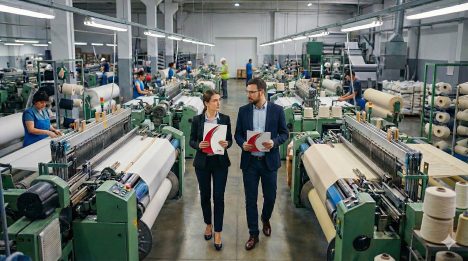
Textile and Recycling Certification
USB Certification offers textile and recycling certification services. Contact our team of experts to learn…
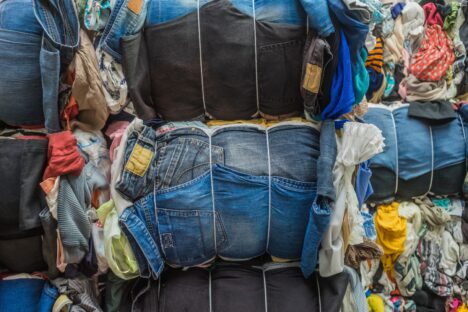
Recycled Claim Standard (RCS)
Verify the recycled content in your products with RCS certification. Apply to USB Certification today…

Global Organic Textile Standard (GOTS)
Certify your organic textile production to global standards with GOTS certification. Apply now for your…

BRCGS Consumer Products Standard
Ensure the safety of your products in the global market with the BRCGS Consumer Products…
You may be interested in these topics (Newsletter & News)

Recycling and the Importance of Recycling in Textiles
Certify your products with GRS and RCS certifications for recycling and sustainability in the textile…

GRTS: A New Global Standard for Responsible Textiles
USB Certification offers GRTS certification, a new global standard for textile industry responsibility. Contact us…
EN 15343 Standard and Transparency in Recycling: The Contrib…
USB Certification ensures traceability and transparency of recycled plastics per EN 15343. Learn more about…

BRCGS Ambalaj Malzemeleri Versiyon 7 İçin Yeni Pozisyon Bild…
BRCGS Ambalaj Malzemeleri V7 için P708 Pozisyon Bildirimi yayımlandı. Güncel GFSI 2024 beklentilerine uyum sağlayın.…
