
Responsible Mohair Standard (RMS)
Certify your Mohair production with the Responsible Mohair Standard (RMS). Prove your commitment to animal welfare and responsible land management.
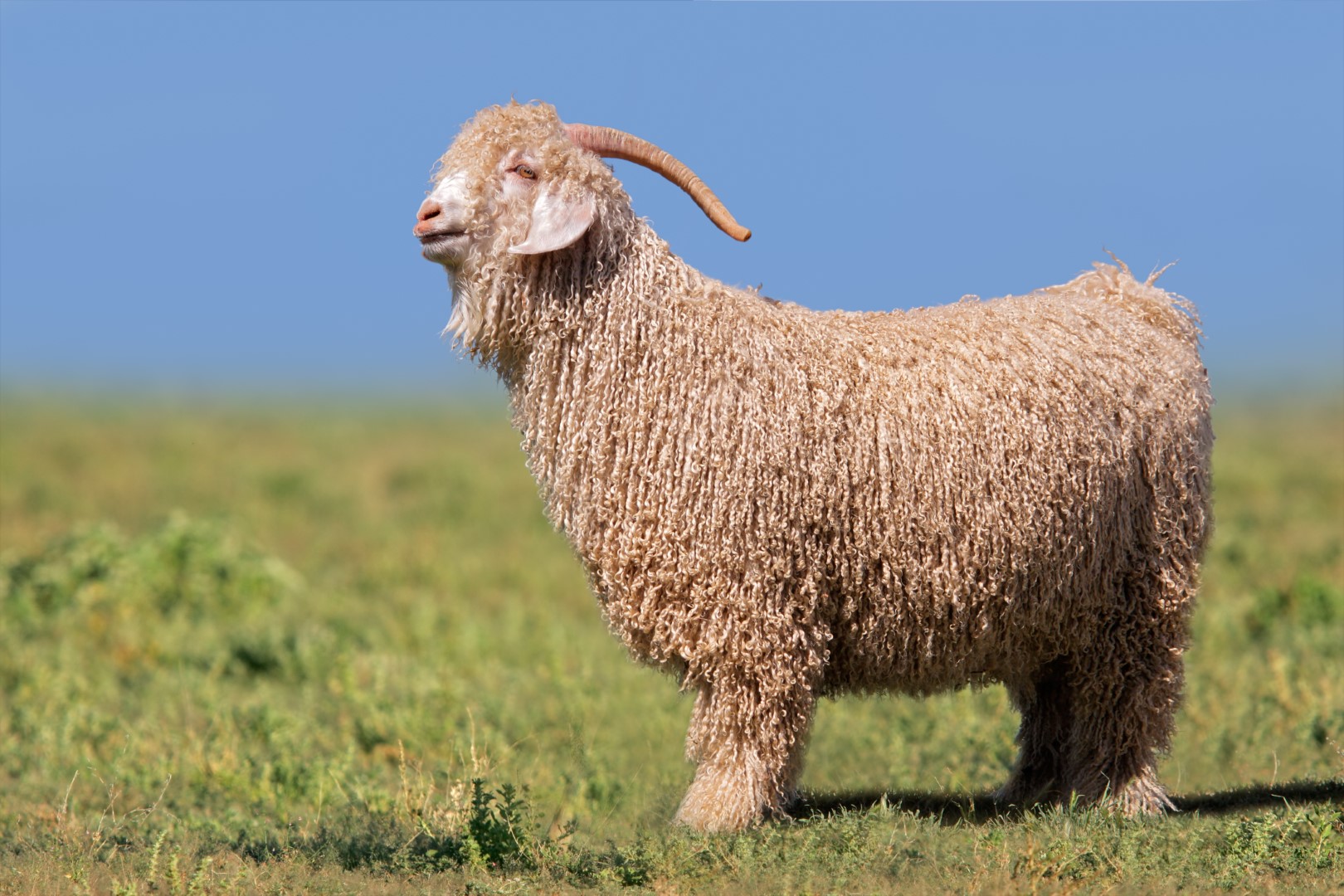
Objectives and Benefits of RMS
OBJECTIVES
Recognizing and Promoting Farmers’ Best Practices
RMS recognizes and promotes best practices in animal welfare, land management and social responsibility on farms.
Responsible Land Management and Animal Welfare
It ensures that the mohair comes from farms that respect responsible land management and animal welfare.
Ensuring Traceability Throughout the Supply Chain
By creating a strong traceability system throughout the supply chain, it ensures that consumers buy reliable products.
Benefits
For Farmers
It promotes sustainable land use, improves the welfare of angora goats and increases farm productivity.
For Businesses
It strengthens brand reputation, increases consumer trust and aligns with global sustainability goals.
For Consumers
It guarantees the use of ethically sourced mohair products, raises awareness about sustainable practices and ensures transparency in the supply chain.
Be a Pioneer in Ethical and Sustainable Mohair Production
Strengthen animal welfare, environmental responsibility and brand credibility with Responsible Mohair Standard (RMS) certification.
RMS Certificate Scope
RMS certification covers all stages of the mohair supply chain: starting from farms, through mohair processing, assembly of end products and final business-to-business sales. The certification includes modules on animal welfare, land management and social responsibility. In addition, slaughterhouses can optionally be included in the RMS.
*Note: Social and Environmental criteria only apply to the farm module.
Animal Welfare
Angora goats are treated well and all requirements are followed.
Land Management
Sustainable land management practices that protect soil health, biodiversity and native species.
Social Welfare
Validation of basic social welfare criteria on farms.
Supply Chain Traceability
Ensuring traceability of mohair from source to final product.
Product Labeling
Labeling of products containing mohair from RMS certified farms.
RMS Certification Process
The RMS certification process includes the following steps
Documents
Frequently Asked Questions
Check Our Other Services

Responsible Wool Standard (RWS)
Ensure responsible wool sourcing with the Responsible Wool Standard (RWS). Contribute to animal welfare and…
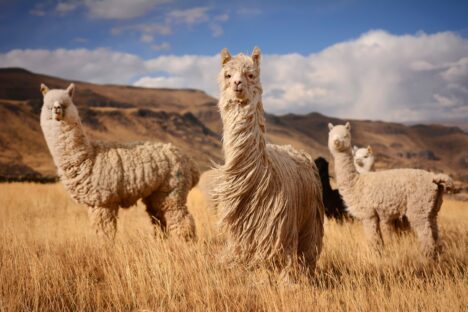
Responsible Alpaca Standard (RAS)
Ensure ethical alpaca production, animal welfare, and a transparent supply chain with RAS certification. Contribute…

Responsible Down Standard (RDS)
Ensure animal welfare in your down supply chain with the Responsible Down Standard (RDS). Build…
Textile and Recycling Certification
USB Certification offers textile and recycling certification services. Contact our team of experts to learn…
You may be interested in these topics (Newsletter & News)
M&S has documented its compliance with Textile Exchange…
M&S has documented its compliance with Textile Exchange’s sustainable textile standards through USB Certification. Following…

A New Era in SFA Certification: Clean Fiber Processing Stand…
A new era in SFA certification! As of November 1, 2024, the Clean Fiber Processing…
Textile Exchange Publishes the Materials Matter Standard Tra…
Textile Exchange Materials Matter Standard transition policy and details. Comply with the process and maintain…

Sustainable Fiber Alliance – The Clean Fibre Processi…
From November 1, 2024, any industrial facilities that scour and/or dehair ‘SFA-Certified’ cashmere and aim…
