
Halal Certification
Halal certification is a critical certification process that formally proves that products and services are produced, processed and offered to consumers in accordance with Islamic rules. USB Certification Pakistan operates as a Halal Certification Body (HCB) accredited by Pakistan National Accreditation Council (PNAC) and officially registered by Pakistan Halal Authority (PHA). This accreditation demonstrates that USB Pakistan fully complies with international standards and is a trusted authority in halal auditing and certification processes.
What is Halal Certification and Why is it Important?
A Halal certificate is a certificate that verifies that the product’s ingredients, production process, additives used and packaging conform to Islamic standards. For Muslim consumers, it guarantees compliance with religious requirements. Moreover, as the halal market is a rapidly growing global market, this certificate creates significant advantages in exports and international trade.
Halal certification includes requirements not only for compliance with Islamic rules, but also for production hygiene and quality standards. Therefore, halal certification is a critical process in terms of both religious sensitivity and consumer safety.
Scope and Criteria of Halal Certification
Scope
Criteria
Benefits of Halal Certification
Halal Certification Process
1
Application and Preliminary Evaluation
The enterprise applies to the relevant certification body. During the application process, the activities of the enterprise, production methods and the content of the products are examined in detail.
2
Audit Planning and Preparation
The timing for the compliance audit is set. The audit scope is determined to cover the compliance of your products and production facilities with Islamic principles.
3
Audit and Evaluation
The audit usually takes place in two phases: In the first phase, documentation and process control are checked, and in the second phase, production practices are examined on site. The audit team includes a halal auditor and an expert on Islamic issues, so that both technical and religious criteria are thoroughly assessed.
4
Certification
A halal certificate valid for three years is issued to the business that successfully passes the audit stages. The certificate is kept up to date with surveillance audits conducted once a year.
Take your food safety management system to the next level!
As USB Certification, we offer fast and reliable solutions to your business in accordance with international standards in the ISO 22000 certification process.
Common Errors and Prevention Methods
Inadequate control of cross-contamination
Lack of supplier compliance checks
Label and documentation non-compliance
Neglecting employee trainings
Documents
Frequently Asked Questions
Check Our Other Services

Food and Consumer Product Certification
Ensure a safe supply chain from farm to shelf through food and consumer product certification.…
PNAC (Pakistan National Accreditation Council)
USB Certification provides PNAC-accredited halal certification services. Contact us for reliable, internationally recognized halal certificates.
Pakistan Halal Authority (PHA)
USB Certification offers halal certification services recognized by the Pakistan Halal Authority (PHA). Contact us…

BRCGS Gluten-Free (GFCP) Certification
Build trust in your gluten-free products with BRCGS Gluten-Free (GFCP) certification. Discover USB Certification’s expertise…
You may be interested in these topics (Newsletter & News)
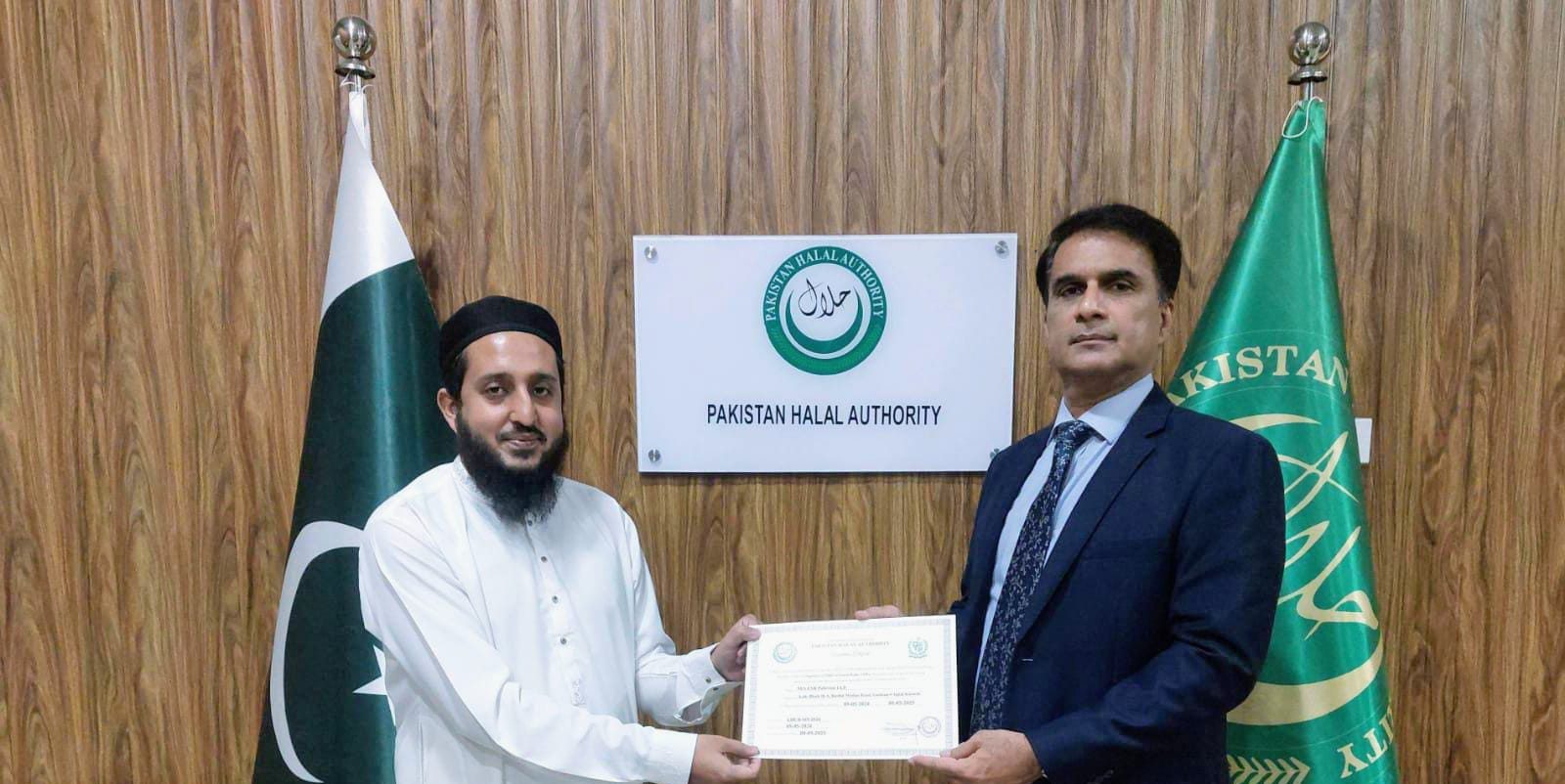
USB Pakistan is now registered for Halal Certification from…
We are delighted to announce that USB Pakistan has received registered from the Pakistan Halal…

USB Certification Completes BRCGS Consumer Products Scope Ex…
At USB Certification, we have successfully completed our BRCGS Consumer Products scope expansion audit. Discover…
USB Certification Transitions to TÜRKAK Accreditation for BR…
We have obtained TÜRKAK accreditation for USB Certification, BRCGS, and IFS. Contact us for internationally…
USB Certification Expands Service Scope with BRCGS Consumer…
USB Certification now offers BRCGS Consumer Products accreditation. Contact us for quality inspection and certification…
